Most of what I’ve learned in this industry hasn’t come from books or the classroom. A lot of what I’ve learned has come from the field. The field is where the buildings and their systems tell you their real story, where people bring their perspectives and expertise, and where collaboration either comes together or falls apart.
Over the years, I’ve made my share of mistakes, asked a lot of questions, and learned from people who knew more than I did. This job has a way of humbling you, and that process of learning and incorporating what you’ve learned when you’re out at a site is what we like to call Field Wisdom. At SES, we think of Field Wisdom as a trickle-down effect of the SES Way: discover, plan, execute.
Lessons Learned as a New Engineer
When I think about the concept of Field Wisdom, I often go back to one of my earliest lessons as a young engineer on a project in Boston at an 18-story apartment building. The owner had recently installed new fan coil units throughout the apartments, along with a new boiler plant and pumps in the basement. I was asked to provide a second set of eyes on the new plant and run some testing.
Based on the design specs, I found the pump speeds were set inconsistently and all running at full speed. That didn’t seem right to me, so I adjusted and locked out the pump speeds to match the design flow rates. I even added a passcode lockout on the Variable Frequency Drives (VFDs) so no one could make changes.
What I hadn’t accounted for was the reality of the building itself. It was late fall, and the pumps were running full speed for a reason: this older building had higher flow and pressure needs than the engineer’s calculations assumed. By limiting the pumps to the “design” flow, I had unknowingly starved the system, and before long my boss was fielding a late-night call from a very upset building owner whose tenants were freezing.
It was an experience that taught me to listen, to ask better questions, and to respect and seek out the knowledge of those closest to the system. It’s also when I started to learn that this job wasn’t about having all the answers, but to create the space where the right answers could come forward. That’s something I try and impart on young engineers just stepping into their career. Slow down. Listen – not only to yourself and your instincts, but also to the people who’ve been in the field and have made mistakes and learned from them. That’s the value of Field Wisdom.
From Confusion to Collaboration
That approach has carried into the way I work today. Every now and then, you get one of those projects where nothing seems to go right. I recently experienced this on a unique school building out in western Massachusetts. The construction team had pushed hard to rush controls, testing & balancing (TAB), and commissioning to completion before move-in. Once the dust settled, the result was a beautiful building—but the MEP systems came with a long list of issues.
The biggest concern was the geothermal system. A half-done startup, piecemeal balancing, and unfinished controls all came to a head at the end of summer, right before the fall semester. Seeing the writing on the wall—and sensing the lack of urgency from the team—I knew it was time to call an “all hands on deck” meeting. Around the table we had the installer, construction team, engineer, architect, owner, supplier, manufacturer, and controls contractor.
Walking into that meeting with a mile-long list of unresolved issues, it could have easily turned into finger-pointing and blame. But I knew no single person had all the answers, myself included. Collectively, though, we did. Step by step, we walked through the system design, asking each party to explain their role and clarify responsibilities. The goal wasn’t to assign fault, but to align the team on how the system was intended to operate.
What began as confusion and frustration quickly shifted into progress. A punch list of question marks turned into a coordinated action plan. By giving each party the space to reason, contribute, and take ownership, we left with a clear path forward. In the final weeks of summer, that plan was executed, and the geothermal system was up and running in time for the semester to start.
Discovering the “Handshake” Moments
Commissioning puts us at the center of everything — plumbing, electrical, HVAC, controls, envelope, and architecture. We don’t need to be the smartest person in the room; we need to know how to bring the right people into the conversation and when to slow things down. It’s about paying attention to the “handshakes” — those moments where one system or trade passes responsibility to another. If they aren’t clearly defined, things slip through the cracks. Our job is to find those cracks and make sure they’re filled.
Today, that mindset guides how we train our team at SES. We encourage curiosity. We want our people to be present on-site, to ask questions, and to speak up — especially when the pressure is on to rush ahead. Because it’s in those moments that the SES Way shows up: discover what’s really happening, plan the next step with the right voices at the table, and execute in a way that builds trust.
To me, that’s what makes SES different. Through the SES Way, we have a roadmap for creating better outcomes by listening, collaborating, and staying curious. It’s how we’ve built stronger buildings, stronger relationships, and stronger teams.
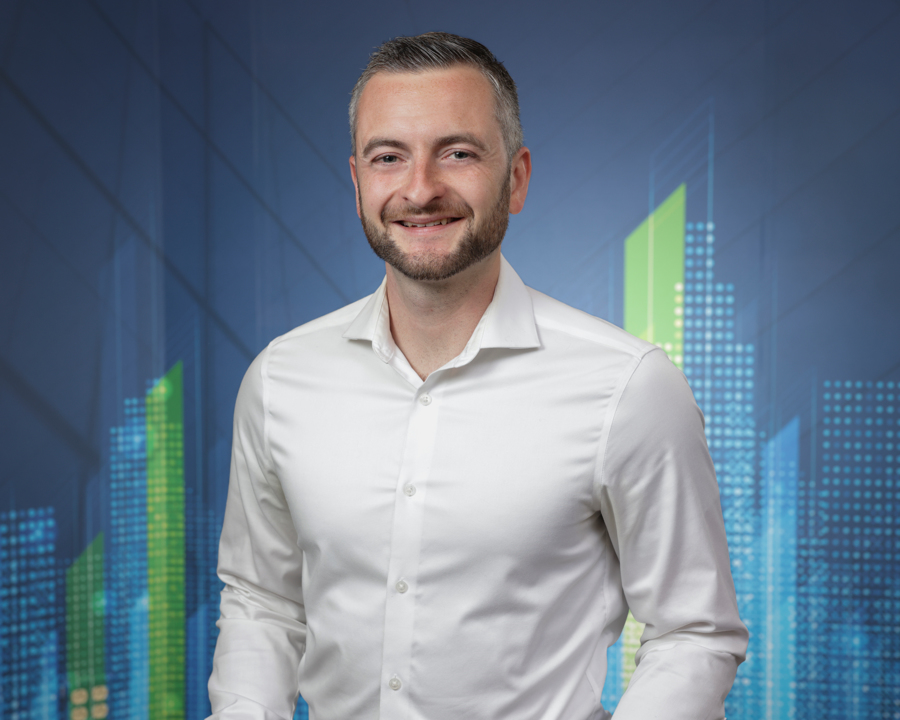
About the Author:
Brian Messerschmidt is a Project Manager at Sustainable Engineering Solutions. He has managed numerous Commissioning and Retro-Commissioning projects throughout Connecticut and Massachusetts. Brian earned his B.S. in Mechanical Engineering from Central Connecticut State University. He is a registered Professional Engineer in the State of Connecticut and a Certified Energy Manager.